


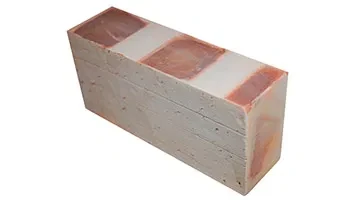

Kanaipur auto bricks
-
 ৳14.50
৳15.00 -
৳150.00
৳200.00 -
৳17.00
-
৳17.00
৳17.50 -
৳30.00
৳31.00 -
৳1.00
৳2.00




Reviews & Ratings
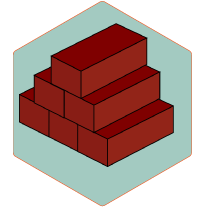
Size ঃ 9.5*2.75*4.5
Psi 5000+
Auto bricks refer to bricks manufactured using automated machinery and processes, as opposed to traditional manual methods. This encompasses various stages of brick production, from raw material preparation to the final stacking of finished bricks.
Here's a breakdown of what auto bricks entail:
The Automated Brick Manufacturing Process:
While the specific steps can vary depending on the type of raw material (clay, fly ash, concrete, etc.) and the level of automation, a typical automated brick manufacturing process includes:
* Raw Material Procurement and Preparation: This involves sourcing the necessary materials (clay, sand, cement, fly ash, etc.), removing impurities, and blending them in appropriate proportions. Automated systems can control the mixing ratios and ensure consistency.
* Feeding System: Automated conveyors and feeders transport the prepared raw materials to the brick-forming machinery.
* Molding and Shaping: This is a crucial stage where the bricks are formed into the desired shape and size. Automated brick machines use hydraulic pressure and vibration to compact the material within molds. Different molds can be used to produce bricks of various dimensions and designs.
* Drying Process: The newly formed "green" bricks contain a significant amount of moisture. Automated systems can involve controlled drying chambers or tunnels where temperature and humidity are carefully regulated to remove moisture gradually, preventing cracking and ensuring the bricks maintain their shape.
* Firing (for clay bricks): For clay bricks, firing in a kiln at high temperatures (typically 950-1100°C) hardens them and gives them their final strength and color. Modern automated plants often use tunnel kilns with computer-controlled temperature zones for efficient and uniform firing.
* Curing (for concrete/cement bricks): Concrete or cement-based bricks undergo a curing process, often involving controlled humidity and temperature, to gain strength over time through hydration.
* Quality Control and Testing: Automated systems can incorporate sensors and quality checks at various stages to ensure the bricks meet required standards for dimensions, strength, and other properties.
* Cooling, Storage, and Transportation: After firing or curing, the bricks are cooled, often automatically stacked onto pallets, and then moved to storage areas or directly to transportation vehicles.
* Control System: The entire process is managed by a central control system, often using Programmable Logic Controllers (PLCs), which allows for precise control over each stage and easy adjustment of parameters.
Advantages of Automated Brick Making:
* Increased Production Efficiency: Automated machines can produce a significantly larger quantity of bricks in a shorter time compared to manual methods. Some fully automatic machines can produce thousands of bricks per hour.
* Consistent Quality: Automation ensures uniformity in brick size, shape, and strength, reducing variations and defects. Precise control over mixing, molding pressure, and temperature leads to higher quality end products.
* Reduced Labor Costs: Automation reduces the need for manual labor, leading to significant cost savings in the long run, even though the initial investment in machinery might be high.
* Improved Safety: Automated systems reduce the risk of accidents associated with manual handling of heavy materials and operation of machinery.
* Versatility and Customization: Automated machines can often be adapted to produce different sizes and shapes of bricks by simply changing the molds. Some advanced technologies like 3D printing are also emerging for creating custom brick designs.
* Material Efficiency and Reduced Waste: Precise control over material usage in automated systems can minimize waste. Some automated plants can also utilize industrial wastes like fly ash and slag as raw materials, promoting sustainability.
* Lower Energy Consumption (in modern systems): Modern automated plants often incorporate energy-efficient technologies in drying and firing processes, leading to lower energy consumption per brick produced.
Cost of an Automated Brick Making Plant:
The cost of an automated brick making plant can vary significantly based on several factors:
* Production Capacity: Plants with higher production capacities require more extensive and expensive machinery.
* Level of Automation: Fully automatic plants with minimal manual intervention will have a higher initial cost than semi-automatic ones.
* Type of Bricks: The technology and machinery required for clay bricks (including kilns) can differ from those for concrete or fly ash bricks.
* Land and Infrastructure: The cost of land, factory buildings, and necessary infrastructure (power supply, water, etc.) will add to the overall investment.
* Machinery Quality and Origin: The quality and brand of the machinery, as well as whether it's locally sourced or imported, will affect the cost.
Generally, the investment for an automated brick making plant can range from a few hundred thousand to several million US dollars. For example, in Bangladesh, a fully automated plant with a capacity of 100,000 bricks per day using a tunnel kiln could cost upwards of 15-20 crore Taka (approximately $1.5 - $2 million USD or more), while a smaller, semi-automated plant might cost significantly less.
Trends in the Brick Manufacturing Industry:
* Sustainability: There's a growing emphasis on sustainable practices, including the use of recycled materials, energy-efficient production methods, and the development of eco-friendly bricks with improved thermal insulation properties.
* Automation and Digitalization: The trend towards increased automation, including robotics and AI-driven quality control, is expected to continue to improve efficiency and reduce costs.
* Customization and Lightweight Bricks: There's a growing demand for custom-designed bricks and lightweight bricks that are easier to handle and offer better insulation. Technologies like 3D printing are enabling more complex and customized brick designs.
* Smart Bricks and Technology Integration: The integration of technology into bricks, such as embedding sensors or solar cells, is an emerging trend that could enhance the functionality and sustainability of buildings.
* Shift Away from Traditional Kilns: In regions like Bangladesh, there's a push to move away from traditional, polluting zigzag brick kilns towards more environmentally friendly technologies like tunnel kilns.
In conclusion, auto bricks represent a modern approach to brick manufacturing that offers significant advantages in terms of efficiency, quality, and cost-effectiveness compared to traditional manual methods. The industry is also evolving with a strong focus on sustainability and technological innovation.
Related products

EcoCil ceramic Brick
Solid Concrete Bricks/ Block
Concrete Hollow block
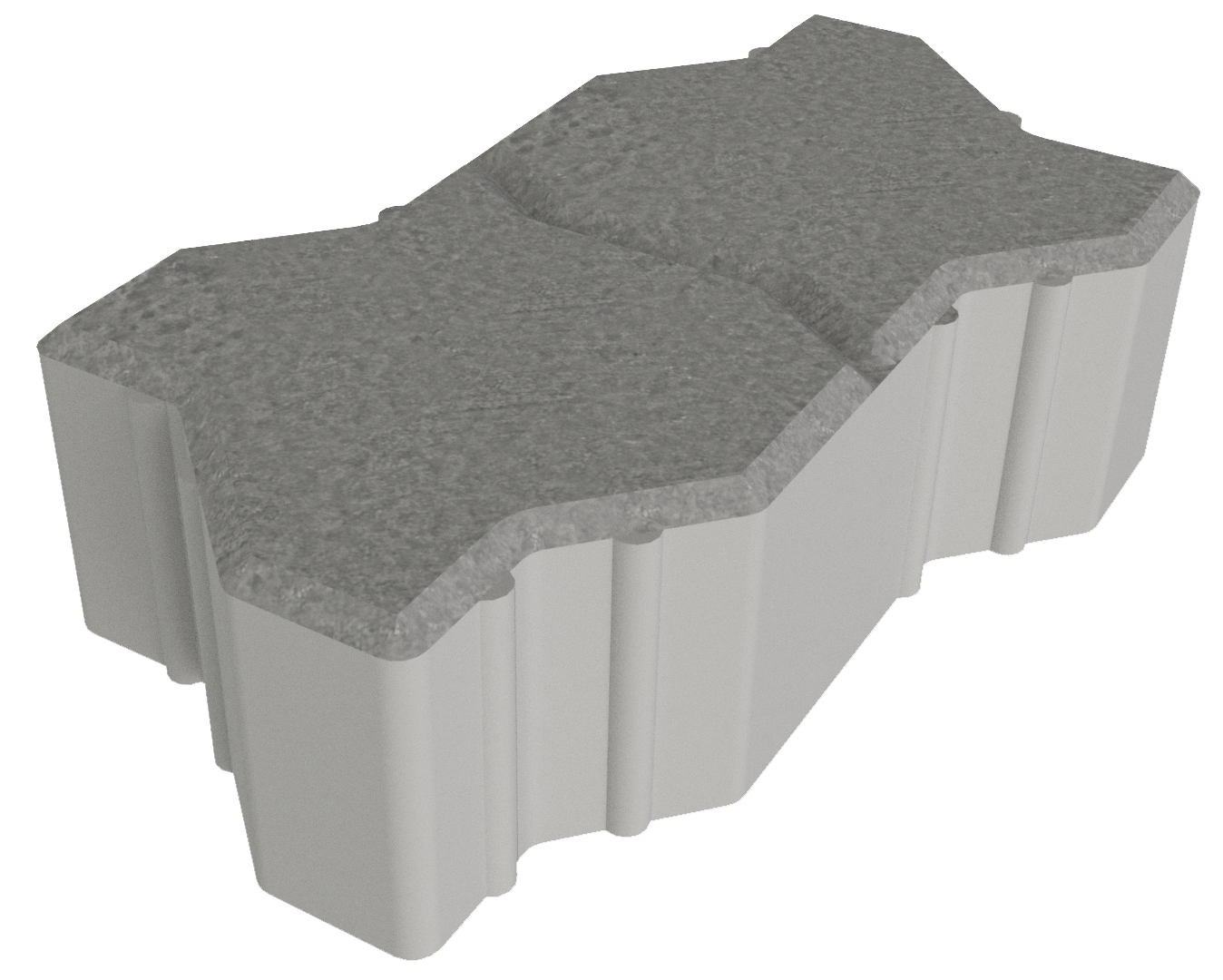
Zigzag block
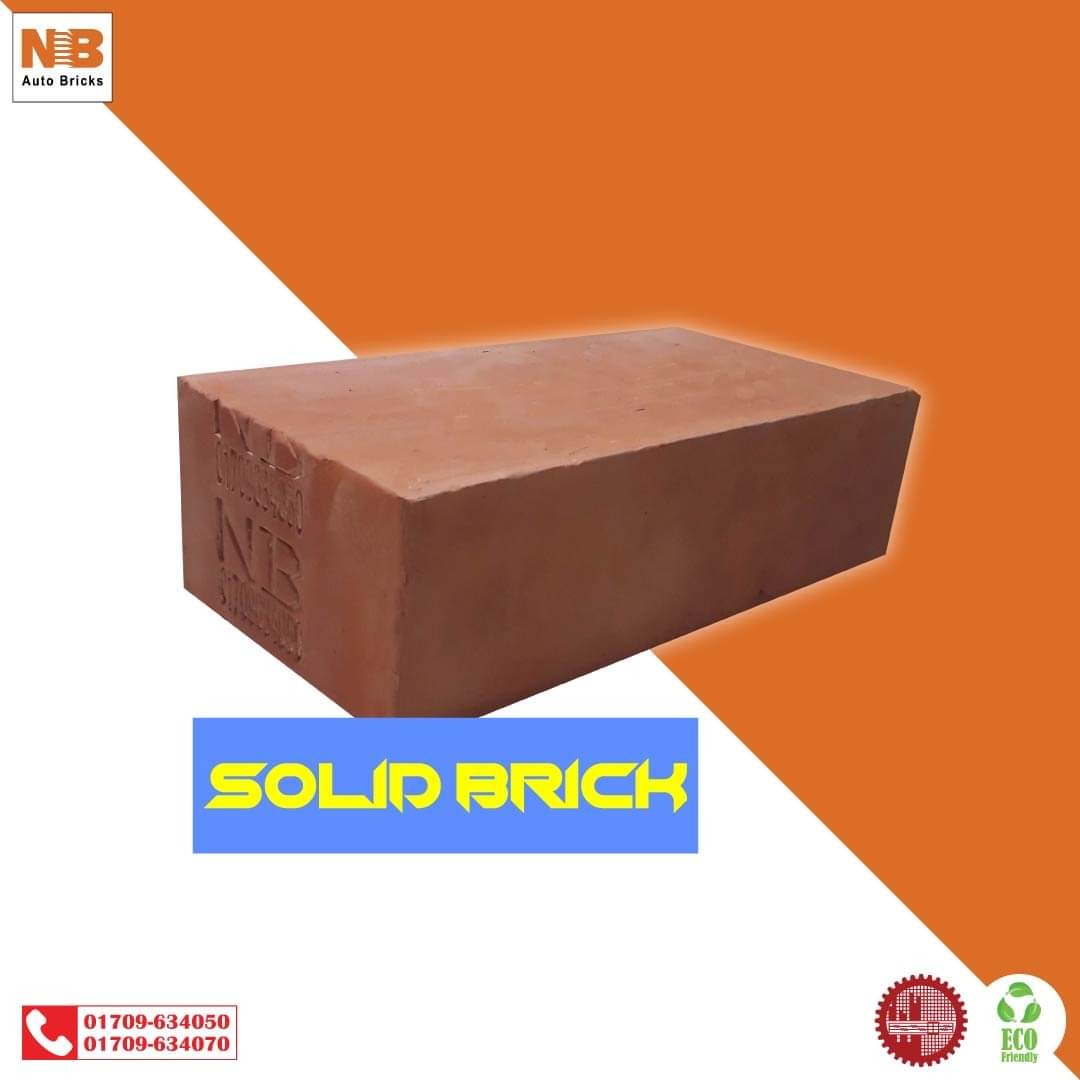
NB Auto solid Bricks

NB auto piket Bricks
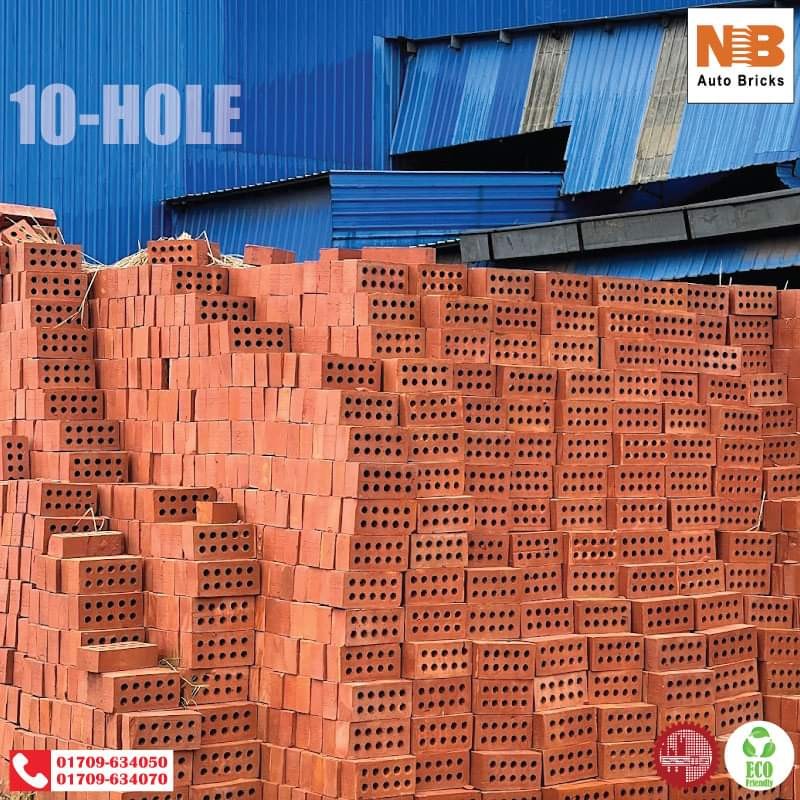
NB 10 holo Bricks

Dhaka Ceramic Bricks
Mirpur Ceramic Bricks 10 Hole
Mirpur Ceramic Bricks 10 Hole Facing Brick
-
৳14.50
৳15.00 -
৳150.00
৳200.00 -
৳17.00
-
৳17.00
৳17.50 -
৳30.00
৳31.00 -
৳1.00
৳2.00

Subscribe to our newsletter for regular updates about Offers, Coupons & more
Follow Us
Mobile Apps